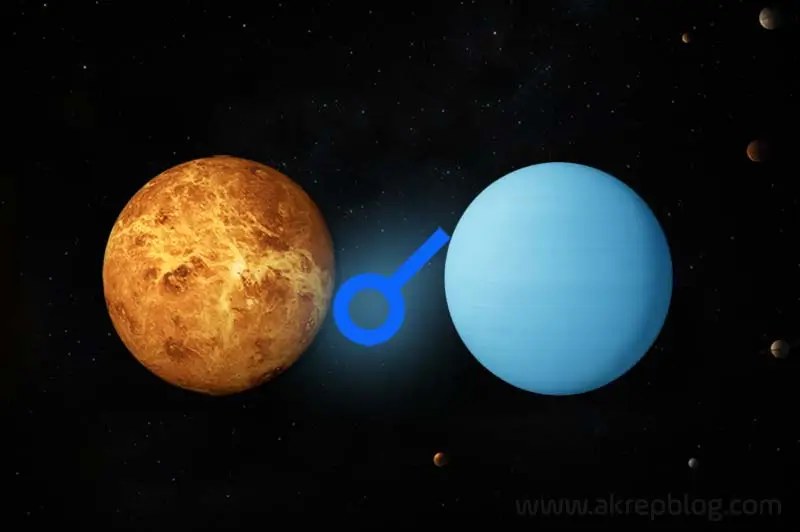
Venus Uranus Square Angle
Subject Content
Venus Uranus Square Angle
What is a Venus-Uranus square, what does it mean, and how does it affect you? A Venus-Uranus square is a jarring yet insightful placement that highlights the tension between the need for freedom and the desire for connection in relationships.
in astrology Venus-Uranus square aspect It refers to an influence that takes a person's way of forming relationships out of the ordinary, but also tests their stability. Venus It represents the realm of love, values, intimacy, and sharing; Uranus It signifies a need for liberation, sudden changes, and stepping outside the box. A square aspect between these two planets can cause a person to both desire intimacy and feel uncomfortable with that intimacy being restrictive. The resulting situation often manifests as conflicting emotions and impulsive decisions.
For individuals with this perspective, relationships are not static. Meetings can develop quickly, bonds can intensify, but they can also change direction just as rapidly. The fundamental issue here is the conflict between the need for love and the desire for freedom. The person wants to connect, but may resist being defined, limited, or confined to a single pattern by that connection. Therefore, unexpected breakups, sudden distances, or surprising new beginnings in relationships are frequent.
The Venus-Uranus square aspect isn't limited to romantic relationships. Material values, aesthetic sensibilities, personal tastes, and social connections are also affected. A person might suddenly question what they possess or value, feeling the need to break away from established routines. This can sometimes lead to liberating awareness, but at other times it can cause unease.
This angle in astrology square angle This is a typical example of its nature. Square aspects are not calming, but rather activating. The Venus-Uranus square also challenges a person's understanding of relationships, making them realize that old habits are unsustainable. Unsettling experiences may occur; however, these experiences pave the way for the person to define their own values more clearly and develop an authentic stance in relationships.
The essence of the Venus-Uranus square is trying to resolve the dilemma of "intimacy versus freedom." When this balance is achieved, a person can both maintain their individuality and develop sincere bonds in relationships. When it cannot be achieved, sudden breakups, restlessness, and feelings of dissatisfaction come to the forefront. Therefore, this aspect indicates a deep and transformative relationship experience, not a superficial one.
The Energy Dynamics Between Venus and Uranus
When Venus's pursuit of harmony, connection, and values operates simultaneously with Uranus's need for liberation, sudden change, and differentiation, established balances in relationships are challenged.
The energy dynamic between Venus and Uranus is one of the most contradictory yet instructive conjunctions in astrology. Venus values intimacy, sharing, and mutual harmony in relationships. Feeling secure, valued, and ensuring continuity are Venus's core motivations. Uranus, on the other hand, seeks to protect individuality, push boundaries, and break established norms. Change is in its nature; stagnation is perceived as a threat by Uranus.
When these two planets form a square aspect, the energy flow is tense rather than smooth. While a person may gravitate towards love, relationships, and sharing, they may also feel that these bonds are restricting their freedom. The resulting emotional state can be summarized as, "I want to be close, but I feel uncomfortable when they're too close." This can lead to sudden shifts in direction, unexpected reactions, and emotional ups and downs in relationships.
Another notable theme in the Venus-Uranus interaction is, It is intolerance of conventional relationship patterns. Individuals may find ordinary, predictable, and routine relationship dynamics boring. Relationships that are different, exciting, and intellectually stimulating become more attractive. However, this search can lead to unrest when it conflicts with the need for stability.
This energy dynamic affects not only romantic relationships but also social bonds and value systems. Over time, a person may begin to question what they love, what they value, and what restricts them. Sudden decisions, rapid changes of direction, and unexpected realizations are natural parts of this process.
The fundamental lesson of the Venus-Uranus square is learning to build connections without denying the need for freedom in relationships. It's impossible to move forward by completely breaking away or sacrificing oneself. When this balance is achieved, one can both maintain their individuality and develop more honest and open relationships. If it isn't, relationships can become constantly shifting but never fully satisfying experiences.
Effects on Relationship and Marriage Life
The Venus-Uranus square aspect simultaneously brings to the forefront the need for security and the demand for personal space in relationships, deeply testing the understanding of marriage and long-term partnerships.
For people with this perspective, a relationship is not just a space for emotional sharing; it is also... It is a struggle for self-definition and liberation. Venus has a strong desire for connection, intimacy, and harmony; however, when Uranus is involved, the monotony or routine patterns of these connections can create unrest. Even within relationships, the need for personal space becomes prominent, and if this need is not expressed, it can manifest as impulsive reactions.
Relationships often begin quickly and excitingly. Attractiveness increases when the other person is different, has an unusual demeanor, or possesses a free-spirited personality. However, as expectations become clearer, responsibilities increase, or the relationship settles into a certain routine, a feeling of internal stagnation may arise. This stagnation can manifest as sudden distancing, questioning the relationship, or making unexpected decisions.
When it comes to marriage, a Venus-Uranus square can make it difficult to adapt to classic role assignments and rigid expectations. Problems arise when marriage is perceived as a structure that restricts freedom. When functioning healthily, a flexible and open relationship is possible, where both partners give each other space, individuality is preserved, and freedom of expression is maintained. Otherwise, feelings of "loneliness" can arise even within marriage.
This perspective frequently brings up the following themes in relationships:
- sudden decisions,
- unexpected changes in direction,
- the need for freedom cannot be suppressed and
- emotional fluctuations.
The important thing is not to suppress these tendencies, but to manage them consciously. When emotions are expressed openly, expectations are clearly stated, and both parties respect each other's space, the Venus-Uranus square aspect is not destructive in relationships. awakening It offers a unique perspective. This angle forces the individual to ask the question, "What kind of relationship truly satisfies me?" and opens the door to more honest partnerships instead of superficial connections.
What is a Square Angle in Astrology and How Does It Affect?
In astrology, a square aspect is a type of aspect that is not relaxing but rather motivating, challenging, yet fostering growth.
In astrology, a square aspect occurs when two planets are positioned approximately 90 degrees apart. This type of aspect suggests a more harmonious flow of energies rather than a smooth transition between them. a conflictual interaction It creates a square aspect. Planets cannot ignore each other; however, they don't speak the same language either. Therefore, a square aspect causes experiences in a person's life that create friction but also force them to move forward.
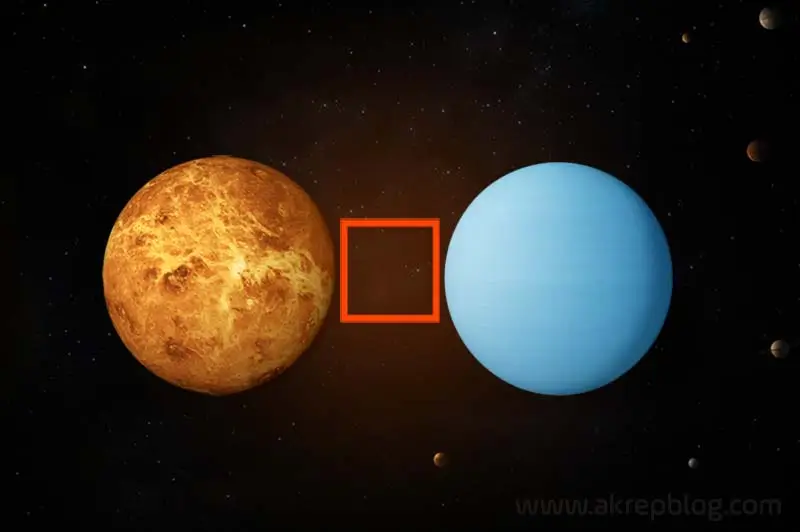
The basic symbol for a square angle. □ It is shaped like this. This symbol represents a closed space with corners. A person may feel trapped within this space; however, this very feeling of being trapped creates the need to take action. The purpose of square aspects is not to provide comfort, but to create awareness and trigger change. Therefore, square aspects are often remembered with uncomfortable experiences; however, in the long run, we also find the most powerful areas for growth here.
in astrology square angle It embodies the internal conflicts of the individual. Although the problem seems to come from outside, the real tension is internal. The inability to meet two different needs simultaneously makes decision-making difficult. When this situation is postponed, restlessness increases; when addressed, personal growth begins.
In a Venus-Uranus square, this mechanism works very clearly. Venus desires relationship, value, and harmony, while Uranus demands freedom, change, and individuality. The square shows that these two needs cannot be satisfied simultaneously. The person either feels like they have to give up on one or they are constantly caught in the middle. The real solution is not to take sides, but... to develop a new form of balance .
When the influence of square aspects is suppressed, crises escalate; however, when addressed consciously, they enable powerful transformation. Therefore, the Venus-Uranus square aspect is significant.Why am I struggling? It is a type of perspective that forces one to ask the question, "What is this?", but once the answer is found, it leads to a much more realistic and straightforward stance in relationships.
Venus-Uranus Square Aspect: Positive and Negative Effects
This perspective simultaneously brings to the forefront both liberating and challenging experiences through relationships and value systems. The effect can work constructively or destructively depending on how the individual manages this tension.
The Venus-Uranus square aspect is a placement that is difficult to evaluate in a single way. On the one hand, it frees a person from patterns, but on the other hand, it makes it difficult to establish stability. Therefore, its effects cannot be categorized as "good" or "bad"; depending on how it is used It needs to be addressed. When awareness develops, this perspective provides courage and originality; when it operates unconsciously, it can lead to restlessness and dissatisfaction.
Positive Effects
The Venus-Uranus square creates a foundation for a person to develop their own unique stance in relationships and their perception of values.
When this aspect works positively, it helps a person develop a relationship understanding that isn't shaped by the expectations of others. The individual becomes more clearly aware of what they love, what they cannot tolerate, and which relationships help them grow. Decisions requiring courage, in particular, can be made thanks to this aspect.
The prominent positive themes are as follows:
- developing a unique understanding of relationships,
- The ability to connect while protecting one's personal space.
- Updating the value system through sudden realizations and
- Breaking away from dependent relationship patterns.
These individuals learn to be open and honest in relationships. Instead of suppressing their feelings, they tend to express them. They can build intellectually enriching relationships that are far from monotonous. In both material and social spheres, they can develop solutions that suit them better by stepping outside the norm. This approach allows individuals to embrace their own truths and act according to their own beliefs, rather than conforming to others. to live according to one's own way provides support.
Adverse Effects
When awareness is lacking, the Venus-Uranus square can become a source of tension, making it difficult to maintain continuity in relationships.
When this aspect functions negatively, a person may become trapped between intimacy and freedom. Even within a relationship, they may feel the urge to escape, or experience a sudden break just as they are about to fully commit. Emotional reactions are often swift, and later regret may follow.
Compelling influences generally revolve around the following:
- sudden departures,
- unstable relationship cycles,
- fear of commitment and
- Fluctuations in value perception.
In this situation, instead of establishing continuity in relationships, the person may tend to constantly seek new stimuli. Impulsive spending or unplanned decisions may also arise in financial matters. The real problem isn't the desire for freedom; it's the way this desire manifests itself. It is the inability to express oneself within healthy boundaries. When out of balance, the Venus-Uranus square can prevent a person from finding complete satisfaction in either relationships or solitude.
The Spiritual Teachings of the Venus-Uranus Square Aspect
The Venus-Uranus square is like an awakening, rather than a comforting, teacher aiming to instill a sense of freedom through relationships and values.
The spiritual lesson of this aspect is not so much about trying to resolve the dilemma of "attachment or freedom," but rather about recognizing that both needs can coexist. The challenges experienced in a Venus-Uranus square are more related to internal conflicts than external circumstances. The real learning process begins when a person starts questioning why they run away when they want love, and why they feel uneasy when trying to form close relationships.
This aspect aims to break the tendency to cling to others in relationships. Points where love is confused with dependence, interest with possessiveness, and commitment with control become visible. Uranus here works through sudden realizations; a person may unexpectedly confront the feeling of "I can't be myself here" within a relationship. These confrontations are often shocking; however, in the long run, they pave the way for building more realistic connections.
The spiritual message of the Venus-Uranus square is this:
"Love deepens not by destroying freedom, but by preserving individuality."
Individuals with this perspective learn not to automatically adopt the values of others. The phrase "everyone lives like that" doesn't apply to this viewpoint. They need to develop their own value system, clarify what they need in a relationship, and express it openly. Otherwise, recurring breakups, disappointments, and feelings of dissatisfaction will continue.
Spiritually, the Venus-Uranus square teaches one to remain true to oneself. It emphasizes not giving up oneself for love, but rather not losing oneself in love. When this awareness develops, relationships become less dramatic but much more honest. The person learns to navigate through life with conscious choices, rather than sudden breakups.
How does the Venus-Uranus square aspect affect things in different houses?
Wherever the Venus-Uranus square aspect occurs, in that area of life, the need for stability and the desire for freedom operate simultaneously, leading to challenging but enlightening experiences.
This aspect often manifests in matters of the house as sudden shifts in direction, unexpected decisions, and a need to question established order. The individual seeks a sense of security in this house while simultaneously realizing that this security can be limiting. The resulting tension inevitably reflects in behavior. Therefore, the Venus-Uranus square aspect, depending on the house placement, concretely affects both relationship dynamics and value perception.
Venus-Uranus square in the 1th house.
There is a powerful internal conflict at play, stemming from personal stance, outward identity, and approach to relationships.
Venus-Uranus square aspect 1th house The placement of a person creates both an attractive and unpredictable effect in their self-expression. There's a striking posture that draws attention in first impressions; the individual wants to appear different, to avoid being ordinary. However, this need for difference can, over time, transform into an unstable sense of identity. One day the person may seek intimacy, the next day feel the need to maintain distance.
Relationships are often tested through the sense of "self." A person wants to define themselves within a relationship; however, unease arises when the other person's expectations limit this definition. Therefore, impulsive decisions, rapid changes in appearance or attitude, and unexpected shifts in direction are common. The real learning experience lies in realizing that freedom is possible without constantly changing one's identity.
Venus-Uranus square in the 2th house.
A fluctuating experience unfolds, shaped by material security, personal values, and the connections formed through possessions.
Venus-Uranus square aspect 2th house This personality type shows a structure susceptible to sudden changes in the perception of money and value. The individual values financial security; however, they may find traditional ways of earning money boring or restrictive. This can sometimes lead to unexpected expenses, sudden income fluctuations, or risky choices.
In relationships, the issue of financial sharing becomes a sensitive area. The balance between possessing and being free is not easily struck. On the one hand, a person seeks a sense of security, while on the other hand, they avoid feeling dependent. The main lesson in this arrangement is to develop a flexible understanding of trust without turning material or emotional value into a means of control.
Venus-Uranus square in the 3th house.
Sudden breaks and surprising developments in communication style, thought patterns, and close relationships stand out.
Venus-Uranus square aspect 3th house The person's position can make their communication style both engaging and unsettling. What is said attracts attention; however, sudden reactions, sharp outbursts, and changes of opinion can create uncertainty in relationships. The person may also find it difficult to recognize the emotional boundaries of the other party when expressing their thoughts.
Immediate relationships, siblings, and daily interactions are intensely affected in this context. Relationships begin quickly and change direction just as quickly. It's a mentally stimulating position; however, a feeling of disconnect arises when emotional attunement isn't achieved. The key to learning in this placement is to maintain freedom of thought while establishing continuity and trust in communication.
Venus-Uranus square in the 4th house.
There is a restless but instructive influence at play, operating through family ties, inner security, and emotional roots.
Venus-Uranus square aspect 4th house The placement of a family can cause a person to question their sense of belonging from an early age. The need for love and attachment is strong within the family; however, a feeling that these bonds are restrictive can also develop. Therefore, the concepts of home, nest, and family evoke conflicting feelings in the individual.
In this arrangement, a person may desire emotional security while simultaneously feeling the need to maintain distance. Changes in residence, sudden disruptions in family life, or unexpected decisions may be frequent. The key learning lies in questioning emotional patterns from the past and redefining belonging alongside freedom.
Venus-Uranus square in the 5th house.
In terms of expression, understanding of love, and pleasure, an unstable but stimulating field of experience emerges.
Venus-Uranus square aspect 5th house This pattern manifests itself in romantic relationships with sudden beginnings and unexpected changes of direction. The individual seeks excitement, variety, and intellectual stimulation in a romantic sense. However, when the relationship settles into a certain routine, a tendency towards boredom or distancing may emerge.
In this perspective, love is less about attachment and more about a process of self-discovery. The desire for attention is high; however, unease can arise when the other person's expectations increase. The key to balance is learning to experience the need for self-expression consistently, without dramatizing it.
Venus-Uranus square in the 6th house.
Sudden disruptions and shifts in direction within daily routines, work environment, and responsibilities are prominent features.
Venus-Uranus square aspect 6th house This type of arrangement makes it difficult for a person to tolerate routines. The repetitive structure of daily life can become boring; this can lead to impulsive decisions, changes of direction, or disruptive actions in professional life. The individual wants to establish their own work system and may find it difficult to adapt to rules set by others.
In work relationships, distance, sudden breakups, or unexpected job changes may arise. The main lesson in this arrangement is to create flexibility within daily routines without completely rejecting the need for freedom. Otherwise, feelings of disorganization and restlessness may become permanent.
Venus-Uranus square in the 7th house.
In the realm of romantic relationships, marriage, and partnerships, the tension between freedom and commitment is experienced directly.
Venus-Uranus square aspect 7th house This placement challenges how a person defines themselves through relationships. The need for close relationships is strong; however, a feeling of loss of freedom can quickly emerge when the other person's expectations increase. Therefore, relationships can progress with sudden beginnings and unexpected endings.
In marriage and long-term relationships, traditional roles can be uncomfortable. Individuals seek equality, personal space, and flexibility. When these are not provided, distancing oneself, questioning the relationship, or making impulsive decisions may arise. The lesson is to learn how to build connections within a relationship without losing one's individuality.
Venus-Uranus square in the 8th house.
Emotional and material sharing, along with themes of trust and surrender, create intense internal tension.
Venus-Uranus square aspect 8th house This arrangement makes issues of proximity and commitment deeper but also more challenging. Individuals desire to form deep bonds; however, they are uncomfortable with these bonds becoming controlling or dependent. Therefore, sudden distances or power struggles can occur in relationships.
Shared financial matters, inheritance, debts, or divisions are open to unexpected developments. Trust is frequently tested. The key learning in this arrangement is not about relinquishing the need for control, but about building trust while being flexible.
Venus-Uranus square in the 9th house.
There is a need for mental and emotional liberation that operates through beliefs, life philosophy, and the search for meaning.
Venus-Uranus square aspect 9th house This set of habits causes a person to question their perspective on relationships and values. Belief systems, ethical values, and worldview can undergo sudden changes over time. The individual develops a strong reaction against limiting thought patterns.
Distant relationships, people from different cultures, or unusual experiences become appealing. However, this pursuit can also create a sense of instability. The lesson is to learn to pursue the search for meaning not through constant escape, but through inner consistency.
Venus-Uranus square in the 10th house.
There is a distinct tension at play, stemming from career, societal role, and the image one projects to the outside world.
Venus-Uranus square aspect 10th house This placement can cause a person to oscillate between the need for stability and the need for freedom in their career path. Public image is important; however, the stereotype of this image can be uncomfortable. The person may not want to identify with the work they do or the role they assume.
In professional life, sudden changes of direction, unexpected decisions, or career departures may occur. Relationships with authority figures are volatile. The real learning area is being able to chart a course that aligns with personal values without completely rejecting social responsibilities.
Venus-Uranus square in the 11th house.
The need for liberation becomes apparent through social circles, friendships, and future goals.
Venus-Uranus square aspect 11th house This pattern creates a selective but unstable structure in a person's social relationships. Friendships can begin quickly and end just as quickly. The individual may experience sudden breaks from groups where they don't feel they belong.
Future plans can change frequently. Individual ideals take precedence over collective goals. The key to learning in this situation is to maintain an authentic stance while avoiding complete isolation.
Venus-Uranus square in the 12th house.
The subconscious, repressed emotions, and sudden realizations from the inner world are prominent.
Venus-Uranus square aspect 12th house This placement can prevent a person from recognizing for a long time why they are struggling in relationships. Emotions are suppressed; the need for freedom is revealed indirectly. Secret relationships, platonic attachments, or internal detachments may occur.
The main lesson in this arrangement is to recognize the tendency to escape and to consciously express emotional needs. Otherwise, the person wants to connect but also creates an invisible distance.
Venus-Uranus Square Aspect and its Effects in Charts
The Venus-Uranus square, while affecting different chart types and varying the timing and scope of experience, reveals the same fundamental tension: the conflict between the need for connection and the desire for liberation.
This angle varies depending on the type of map. an innate relationship pattern As a temporary but disruptive process , or the main theme of a particular year It explains. The common thread is the questioning of established orders in the realm of relationships and values. Events often unfold suddenly; however, the real impact is revealed in the individual's reactions and choices.
Venus-Uranus Square Aspect in the Natal Chart
As an innate relational dynamic, the need for freedom is felt from an early age.
In a natal chart, a Venus-Uranus square indicates an unstable but awareness-enhancing approach to relationships. The need for love and intimacy is strong; however, the feeling that this need restricts personal space is equally pronounced. Therefore, relationships often begin quickly, are intense, and progress with unexpected shifts in direction.
For these individuals, commitment shouldn't mean giving up on themselves. Otherwise, unrest becomes inevitable. Their sense of value isn't fixed either; they learn over time, through experience, what they value and what restricts them. At the natal level, this aspect involves repeatedly testing relationship patterns. clarifying personal truths carries the purpose.
Venus-Uranus Square Aspect in Transit Charts
Temporary but powerful events and sudden realizations come to the forefront during this process.
A transit Venus-Uranus square often leads to short-lived but dramatic developments. Sudden encounters, unexpected separations, and changes in relationship direction are common during this period. Unexpected expenses or unusual opportunities may also arise in financial matters.
Reactions during this transit are usually quick. A person might suddenly say, "I don't want it this way anymore." The important thing here is to avoid turning these realizations into a permanent definition of identity. a temporary warning It is about being able to evaluate it as such. For those who remain flexible, this transit opens up a way to express the need for freedom in a healthier way.
Venus-Uranus Square in the Solar Return Chart
It indicates unexpected shifts in relationships and values throughout the year.
In a Solar Return chart, the Venus-Uranus square creates an atmosphere open to surprising developments in relationships throughout the year. Maintaining familiar routines may become difficult this year. Individuals will clearly realize what they don't want; however, defining what they do want may take time.
In relationships, impulsive decisions, an increased need for freedom, and shifts in value perception are prominent. When this influence is consciously managed, the year paves the way for the individual to make choices more true to themselves. However, resistance can increase feelings of restlessness and indecision. At the Solar Return level, this aspect... Year of redefinition It works as.
Venus-Uranus Square in Synastry (Harmony) Chart
An exciting but unstable relationship dynamic emerges where attraction and a need for freedom are simultaneously triggered between two people.
In a synastry chart, a Venus-Uranus square creates a strong attraction between the partners; however, this attraction is often not peaceful. The relationship may begin quickly, with the moment of meeting or initial contact being quite striking. The influence of Uranus adds an unusual air to the relationship; the partners find something different and unconventional in each other. However, Venus's desire for connection clashes with Uranus's need for distance.
In synastry relationships with this aspect, the relationship may enter a cycle of "distancing as you get closer." One or both partners may feel uneasy when the relationship settles into a certain routine. Sudden breakups, unexpected returns, or constantly changing expectations are common with this aspect. The real test is whether the partners can connect without trying to control each other. Without flexibility and openness, the relationship can become draining.
Venus-Uranus Square in Progressed Charts
In a process of evolving awareness over time, sudden shifts in relationship and value perception occur.
In progressed charts, a Venus-Uranus square indicates a significant turning point in a person's perspective on relationships. This effect doesn't usually appear suddenly; inner restlessness has been accumulating for some time, and this restlessness becomes visible when the aspect becomes active. The person realizes they can no longer maintain old relationship patterns.
During this process, impulsive decisions may be made in relationships; marriage, separation, or a desire to radically change the nature of the relationship may arise. Material values and personal priorities are also redefined. At a progressive level, this aspect is not a fleeting whim; a lasting inner transformation It describes the need. The person now feels they have to make choices that are more true to themselves.
Venus-Uranus Square in Eclipse, New Moon, and Full Moon Charts
In these charts, the Venus-Uranus square triggers sudden and inevitable developments in areas of relationships and values.
When the Venus-Uranus square aspect is active in eclipse, new moon, and full moon charts, events often unfold beyond one's control. Sudden encounters, unexpected separations, surprising decisions, or sharp shifts in relationships are common during these periods. Developments during eclipses, in particular, can have long-term effects.
In new moon charts, this aspect can indicate a new but unstable relationship. In full moon charts, it can signify a realization that a relationship has become unsustainable. While these effects may seem unsettling, the primary goal is to bring to light areas where the individual is denying their need for freedom.
Frequently Asked Questions
How does the Venus-Uranus square aspect create challenges in relationships?
This aspect simultaneously triggers the need for freedom and the desire for connection in relationships. While a person craves intimacy, they may feel uncomfortable when that intimacy becomes restrictive. The difficulty stems not from the emotions themselves, but from the inability to manage these two needs at the same time.
Does a Venus-Uranus square aspect make marriage more difficult?
It doesn't directly prevent marriage; however, it can make it difficult to adapt to classic and rigid marriage models. Marriage becomes sustainable when flexibility, personal space, and openness are provided.
Could this angle cause sudden separations?
Yes, sudden ruptures can occur, especially if awareness is underdeveloped. These ruptures are often a sudden outburst of a suppressed need for freedom. When consciously managed, the same effect manifests as sudden realizations.
Does the Venus-Uranus square aspect affect financial matters?
Effects. Fluctuations may occur between financial security and risk-taking tendencies. Impulsive spending, a desire to deviate from usual sources of income, or changes in value perception are common.
Is this perspective only relevant to romantic relationships?
No. Besides romantic relationships, social connections, friendships, aesthetic sensibilities, and personal value systems are also affected in this respect. Things we love and priorities can change over time.
Why does the Venus-Uranus square aspect cause unrest?
Because of this angle square angle It is inherent in its nature and does not bring comfort. It constantly makes an inner contradiction visible. Unease reminds us that change is inevitable.
What does it mean if this aspect is present in the natal chart?
In a natal chart, a Venus-Uranus square indicates that a person's understanding of relationships is inherently unique and unconventional. Relationship patterns are tested throughout life, and personal truths become clearer through experience.
How long does a transit Venus-Uranus square last?
The transit effect is short-lived, but it works suddenly and dramatically. Although its duration is brief, the awareness it leaves behind can be lasting. Therefore, both the reactions and the subsequent evaluation are important.
If this aspect is present in the Solar Return chart, how will the year unfold?
The year's theme is one of surprise and change in terms of relationships and values. Individuals become very clear about what they don't want and feel the need to make new choices accordingly.
Can the Venus-Uranus square aspect be used positively?
Yes. When openness, flexibility, and awareness of personal space are developed, this aspect allows a person to build relationships that are true to themselves. It is challenging; however, when managed correctly, it transforms into one of the most powerful areas of self-awareness.
SIMILAR TOPICS
WRITE A COMMENT
VISITOR COMMENTS - 0 COMMENTS