Neptune Venus Square Aspect
Updated: February 21, 2026 02:22 Scorpion
Subject Content
Neptune Venus Square Aspect
What is a Neptune-Venus square, what does it mean, and how does it affect us? A Neptune-Venus square creates tension between the ideal and the real in terms of love, values, and aesthetic perception; the distance between the heart and the imagination is tested here.
The main lesson of the Neptune-Venus square is this: Love can be as boundless as you imagine; however, for it to be sustainable, it must not lose touch with reality.
in astrology Neptune It describes ideals, intuitions, breakdowns, and areas where boundaries become blurred. Venus These planets represent our understanding of love, our way of forming relationships, our aesthetic tastes, and our perception of material and spiritual values. When these two planets form a square aspect, a person may have high expectations regarding love but also carry the risk of experiencing disappointment.
A person with this aspect often:
• not viewing love as an ordinary experience,
• as a quest for spiritual integration,
• as a field where self-sacrifice and idealism are intertwined and
• the tendency to see the other person as different from who they really are
viable.
The fundamental problem here is not a lack of love, unrealistic expectations This is a tendency where a person may see the other as someone who needs saving, or become overly self-sacrificing within a relationship. For example, believing one can "change" a partner with addictive tendencies is a typical manifestation of this perspective.
The Neptune-Venus square aspect also gives rise to a strong potential for expression in the fields of aesthetics and art. However, discipline is required for this potential to translate into tangible results. Otherwise, one may dream, be influenced, and be inspired, but may struggle to transform this into lasting creation.
This perspective shows that peace cannot be achieved without learning to set clear boundaries in relationships. The key theme here is being able to distinguish between love and compassion, and between self-sacrifice and self-neglect.
The Energy Dynamics Between Neptune and Venus
Neptune represents limitlessness, while Venus represents connection; the square aspect creates a conflicting yet instructive connection between these two realms.
Venus seeks balance in relationships. Mutual exchange, a balance of giving and receiving, and aesthetic harmony are inherent in its nature. Neptune, on the other hand, wants to break down boundaries and move into a realm of unconditional acceptance. When a square aspect comes into play, one says "balance," the other says "boundlessness." This is where the tension begins.
In this energy dynamic, the individual:
• You can attach too much meaning to love,
• may idealize their partner,
• may be disorganized in financial matters and
• They may make overly fanciful choices in aesthetic perception.
For example, ignoring all the red flags when starting a relationship is a manifestation of Neptune's veil effect. Venus, on the other hand, seeks "harmony" during this process, so it may tend to ignore situations that cause unrest.
Another important aspect of this aspect is financial matters. While Neptune brings uncertainty, Venus represents money and values. Therefore, a person may be overly idealistic in managing money, making emotional decisions instead of planning their earnings. The "it'll work out somehow" approach can lead to problems later on.
However, this square aspect is not only challenging. It provides a deep capacity for empathy. One can feel the person they love internally. A strong sensitivity can be observed in fields such as artistic production, music, cinema, and design.
The key here is this: Building a bridge between intuition and reality. Moving forward without losing imagination, but also without losing touch with reality, is the mature form of this perspective.
Effects on Relationship and Marriage Life
The Neptune-Venus square aspect causes fluctuations between romantic ideals and concrete realities in relationships; in marriage, it brings up a test of balancing expectations.
For those with this aspect, the relationship is not an ordinary partnership. Love carries the expectation of a spiritual connection, deep understanding, and almost "perfect" harmony. The problem is that life doesn't always go so perfectly. The square aspect is a gap between idealized love and the realities of everyday life. creates tension .
Common themes in relationships include:
• Seeing your partner as different from who they really are,
• Ignoring problems for a long time,
• Mistaking self-sacrifice for proof of love and
• Holding onto the relationship despite disappointment.
For example, a person might defend an emotionally distant partner by saying, "They're actually a very deep person." Or they might interpret the other person's unclear behavior as a romantic mystery. This can lead to inner turmoil over time.
The most important test in marriage balance between expectation and reality Neptune inspires grand dreams in marriage, while Venus desires peace and aesthetic harmony. When there's a square aspect, one might expect every moment of marriage to be romantic and meaningful. However, disappointment can arise when daily responsibilities come into play.
This perspective doesn't make marriage difficult; however, it can complicate the process of choosing the right person. A person may find themselves oscillating between these two extremes:
• Making overly idealistic choices,
• Conversely, feelings of worthlessness can lead to inappropriate relationships.
In its mature form, this aspect fosters a capacity for deep empathy and unconditional love. There is a high ability to sense a partner's emotional needs. However, clear boundaries, openness, and concrete planning are essential for a healthy marriage.
In a Neptune-Venus square, marriage is only strengthened with this awareness: Love is not a sacrifice, it is a conscious choice.
What is a Square Angle in Astrology and How Does It Affect?
A square aspect is a 90-degree tension line between two planets; growth comes with pressure.
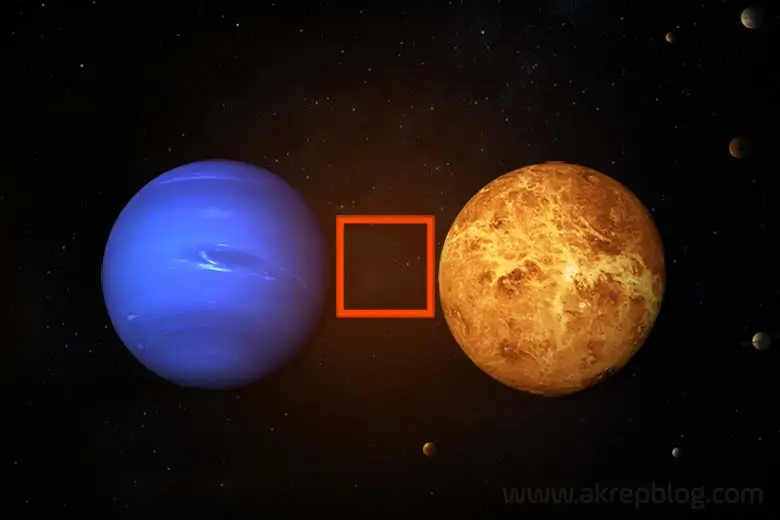
The symbol for a square angle. □ This is how it is shown. This aspect indicates a conflicting energy flow between the planets. In astrology, a square aspect is a dynamic that creates pressure to activate potential.
square angleThis arises when two different principles try to express themselves simultaneously. For example, Neptune desires limitlessness, while Venus seeks balance. When these two demands are at work at the same time, a person may feel internally trapped.
Basic properties of a square angle:
• It disrupts their comfort zone,
• Raising awareness,
• It encourages the person to improve and
• It involves repeated experiences until a solution is found.
In a Neptune-Venus square, this tension is particularly felt in matters of love, aesthetics, and material possessions. A person may harbor romantic ideals while simultaneously experiencing disappointments. These experiences are not coincidental; the square aspect works to cultivate awareness.
The important point is this: the square angle is not the problem. It becomes a problem if not used consciously. When a person learns to bridge the gap between fantasy and reality, the square aspect becomes a powerful tool for transformation.
The key lesson to learn from a Neptune-Venus square is to transform emotional confusion into clarity. When this happens, both relationships and personal self-worth are built on a stronger foundation.
The Positive and Negative Effects of the Neptune-Venus Square Aspect
This perspective isn't one-sided; the same energy can cause both inspiration and disappointment. The outcome depends on the level of consciousness.
The Neptune-Venus square brings intense sensitivity in the realm of love and values. However, this sensitivity sometimes leads to a blurring of boundaries. The aspect expands the heart while simultaneously testing reality. Therefore, both powerful and challenging effects work together.
To properly understand this effect, we need to consider its two aspects separately.
Positive Effects
• High capacity for empathy
• Deep romance and intuitive connection
• Artistic sensitivity and aesthetic perception
• Forgiveness and compassion
This aspect provides the ability to sense the emotions of others in relationships. One can understand their partner's mood without words. This trait can particularly enhance expression in fields such as art, music, design, and performing arts.
Romance here is not ordinary. When a person loves, they love with all their heart. For them, love is not just an emotion, but an inner experience. Therefore, they seek depth in their relationships.
Forgiveness is also an important trait. It can demonstrate flexibility in making amends for mistakes and starting over. However, this positive aspect needs to be balanced. Otherwise, the person may become too self-centered.
In a mature Neptune-Venus square, love is experienced through awareness, not sacrifice.
Adverse Effects
• Idealizing the partner
• Cycles of disappointment
• Disorganization in financial matters
• Difficulty setting boundaries
The challenging aspect of this perspective is the unwillingness to see the truth. One may ignore clear signals. This can increase the risk of associating with people who are prone to addiction or who are unclear about their stance.
Disappointment often arises from the following reason: Expectations are high, but reality differs. A person may attach great importance to a relationship, but the other person may not share that depth. This can lead to inner turmoil.
A similar theme is seen in the financial realm. Acting intuitively in money management can lead to a lack of planning. Choosing what is beautiful can override what is logical.
These negative effects are not permanent. When boundaries are clarified with conscious awareness, the dynamic begins to function more harmoniously.
The Spiritual Teachings of the Neptune-Venus Square Aspect
This perspective teaches us to confront not only what love is, but also what it is not; it is a process of consciously building a bridge between fantasy and reality.
The deepest lesson of the Neptune-Venus square aspect is, It is about distinguishing between unconditional love and self-neglect. For many, love is synonymous with sacrifice, patience, and understanding. However, this perspective shows that love can become blurred when boundaries are not set.
A person often faces this dilemma:
• Should we continue to love?
• Or is it self-defense?
This tension is no coincidence. The square aspect repeats the same themes unless awareness is gained. Similar partners, similar disappointments, and similar "this time it will be different" thoughts may arise.
The first step in spiritual teaching is this: Love is not a rescue effort. The responsibility of healing, transforming, or changing someone does not belong to the individual. When Neptune's compassion is not balanced with Venus's sense of values, a person may withdraw into the background.
The second important lesson is about self-worth. Venus represents self-worth. When Neptune squares it, a person may try to feel valued by seeking external validation. They may feel inadequate when their partner's attention diminishes. However, true balance lies in establishing self-worth internally.
This perspective also teaches us the following: Dreaming is powerful; however, dreams must not lose touch with reality. Love can be magical, romantic, inspiring. But for it to be sustainable, clarity is needed.
A person in a mature Neptune-Venus square:
• Learns to set boundaries,
• They are straightforward.
• It does not tie its value to the behavior of others and
• Values equality in relationships.
Once this awareness is achieved, that same energy transforms into deep compassion and conscious love. This is the essence of spiritual teaching: Keeping the heart open while not shutting down the mind.
How does the Neptune-Venus square aspect affect things in different houses?
Wherever this aspect is located, love and idealism are tested in that area of life; the experience becomes visible in the tangible realm.
The effect of a Neptune-Venus square varies depending on the house position. The general principle here is that Neptune's uncertainty and Venus's sense of value create tension in the themes of the relevant house.
For example, if the aspect works between the 1st and 4th houses, the themes of identity and family come to the forefront. On the axis between the 2nd and 8th houses, the issue of sharing, both material and spiritual, may be tested. Therefore, the house placement determines the direction of the interpretation.
Neptune-Venus square aspect in the 1th house.
Identity and relationship perception are intertwined; a person can define themselves through love.
Neptune-Venus square aspect 1th house When in a position of power, a person may place excessive importance on how they appear in the eyes of others. They feel empowered when loved, but their self-esteem can plummet when neglected.
Personal boundaries can sometimes become blurred. Changing attitudes based on a partner's mood, putting one's own desires aside, might be observed. An idealized aesthetic perception of physical appearance may also develop.
The key lesson to learn in this setting is to define identity independently of relationships. While love is valuable, self-worth shouldn't be solely dependent on relationships.
Neptune-Venus square aspect in the 2th house.
Material values and self-worth are put to the test; money and emotions can become intertwined.
This angle 2th house In this position, a person may make intuitive decisions regarding financial matters. How they earn and spend money may depend on emotional ups and downs.
A sense of self-worth can become dependent on external validation. When feeling unloved, they may try to feel good through material spending. Luxury or aesthetic preferences may take priority.
The key lesson in this arrangement is to separate intrinsic value from material indicators. When cash flow is regulated and conscious planning is done, the aspect works more balanced.
Neptune-Venus square aspect in the 3th house.
Romantic expectations arise in communication; a discrepancy can be seen between words and reality.
Neptune-Venus square aspect 3th house When in this position, a person can be idealistic in communication. They may interpret their partner's words more meaningfully than they actually are.
Misunderstandings can occur. Especially in messaging, written communication, and close relationships, a difference can arise between expectations and reality.
In this situation, it's important to be straightforward and use clear statements instead of assumptions. Clarity leads to healthier communication.
Neptune-Venus square aspect in the 4th house.
In the realm of family, roots, and emotional security, the ideal clashes with the realm of reality.
Neptune-Venus square aspect 4th house In this situation, a person may romanticize the concept of family. They may have perceived one of their parents differently than they actually were during childhood, or family problems may have been ignored for a long time.
In adulthood, the search for the "perfect home" can become dominant. People expect not only love from their partner, but also unconditional trust and peace. When these expectations are not met, disappointment is deeply felt.
The key lesson to be learned in this arrangement is not to tie one's sense of security to external circumstances. When a realistic perception of family and marriage develops, inner balance strengthens.
Neptune-Venus square aspect in the 5th house.
A strong sense of idealism is seen in matters of love, dating, and art; romantic expectations are high.
This angle 5th house When in this position, a person becomes passionately attached to love. Dramatic and intense emotions can be experienced in relationships. Idealizing the partner is quite common here.
Artistic talents and aesthetic sensitivity may increase. However, emotional ups and downs can make it difficult to maintain productivity. A cycle of disappointment in love life is possible.
The key here is to balance romance with reality. Love can be enchanting, but it won't last without mutual responsibility.
Neptune-Venus square aspect in the 6th house.
Uncertainties may arise regarding daily life, work routines, and health.
Neptune-Venus square aspect 6th house When in a position of power, a person may behave selflessly in the workplace. It's possible to be overly understanding towards colleagues and unable to set boundaries.
Disorganization can occur in daily routines. Burnout can result from a lack of work-life balance. In terms of health, stress can have physical effects.
Order and clarity are important in this layout. Clearly defining responsibilities and setting work boundaries ensures a more balanced operation of the group.
Neptune-Venus square aspect in the 7th house.
There is a strong tendency to idealize in the realm of marriage and partnerships; caution is needed when choosing a partner.
This angle 7th house When in this position, a person can place the relationship at the center of their life. It's possible to see their partner as a soulmate and place all expectations on that one person.
The risk of forming a relationship with the wrong person may increase. Individuals who are unclear, indecisive, or prone to dependency may be particularly attractive. This can lead to more intense disappointments.
In this position, frank communication and the ability to set boundaries are vital. The angle works better when the relationship is built on equality.
Neptune-Venus square aspect in the 8th house.
Material and emotional sharing and deep bonds are tested; the issue of trust comes to the forefront.
Neptune-Venus square aspect 8th house In this situation, a person forms intense emotional bonds. Uncertainty may arise regarding matters such as shared finances, debts, or inheritance.
Hidden expectations and unspoken feelings can complicate relationships. A person may show complete devotion to their partner, but disappointment can grow when this devotion is not reciprocated.
Transparency is a fundamental principle in this arrangement. When financial and emotional matters are discussed openly, trust is strengthened.
Neptune-Venus square aspect in the 9th house.
In the realm of beliefs, life philosophy, and distant horizons, romantic ideals take center stage; this is where the test of reality takes place.
Neptune-Venus square aspect 9th house When in this position, a person combines love with a search for meaning. They may be attracted to people from different cultures or from long distances. There may be an increased tendency to attribute a "fated" meaning to the relationship.
Belief systems can also be idealized. There may be high expectations of sharing the same worldview with a partner. However, disappointment can arise when disagreements become apparent over time.
The key lesson to be learned in this arrangement is not to tie the search for meaning to a single person. When life philosophy strengthens individually, the relationship is built on a more solid foundation.
Neptune-Venus square aspect in the 10th house.
Career, public image, and the concept of success are intertwined with the theme of love.
This angle 10th house When in a position of power, a person may feel the need to be admired in society. Idealism may prevail in career choices. Jobs that are "meaningful" and aesthetically pleasing may be preferred.
A conflict can arise between public image and private life. Status, image, or physical appearance may take precedence in partner selection. Disappointment can occur when expectations don't match reality.
The key here is to clarify career goals. The balance is more pronounced when personal self-worth takes precedence over societal approval.
Neptune-Venus square aspect in the 11th house.
Idealism is evident in friendships, social circles, and future plans.
Neptune-Venus square aspect 11th house When in a certain position, a person may idealize their circle of friends. It is possible to act selflessly within social groups.
A romantic relationship can begin as a friendship; however, disappointment can occur when expectations are not met. There may also be a lack of realism in future plans.
In this type of settlement, social interaction becomes healthier when boundaries are clearly defined. It is crucial to consciously determine who is responsible for what extent.
Neptune-Venus square aspect in the 12th house.
The subconscious, hidden emotions, and unresolved past themes come to the forefront.
This angle 12th house In this state, a person may be drawn to secret relationships or experience unrequited love. Inner turmoil can increase when emotions are not openly expressed.
Past relationships can linger in the mind for a long time. While forgiveness may be high, setting boundaries can be difficult. A person may be inclined to put themselves in the background for the sake of love.
The most important lesson in this placement is recognizing subconscious patterns. When clarity and frankness are achieved, inner peace is strengthened.
Neptune-Venus Square Aspect and its Effects in Charts
This aspect works with varying intensity in different map types; it is necessary to distinguish between permanent structure and temporary effect.
When a Neptune-Venus square aspect occurs in a birth chart, it becomes part of the character structure. In transits, it manifests as a temporary test. In Solar Return and progressed charts, it stands out during a specific period.
In general, this perspective brings tests to the following areas:
• Expectations of love and relationships,
• Balance of material and spiritual values,
• Aesthetic and artistic aspects,
• Self-esteem perception.
The key here is to correctly assess which type of chart the aspect is working in. In a natal chart, this theme represents a lifelong developmental area. In transits, however, it intensifies during a specific period and then its influence diminishes.
Neptune-Venus Square Aspect in the Natal Chart
This placement shows that the perception of love is a lifelong area of development; romantic idealism and self-worth mature together.
In a natal chart, a Neptune-Venus square aspect profoundly affects a person's perspective on relationships. Love is not merely an emotion, but a quest for deep meaning. A person may wish to see their partner as a soulmate. This expectation fosters a strong bond; however, it can also lead to disappointment.
Common themes for individuals with this aspect in their birth chart include:
• Idealizing your partner,
• Difficulty setting boundaries,
• Making sacrifices for the sake of love,
• Holding onto the relationship despite disappointment.
This cycle is not coincidental. In natal placements, the Neptune-Venus square teaches us to consciously develop our sense of self-worth. A person may feel valuable when they are loved; however, true development lies in building this value independently of external circumstances.
The most important lesson from this settlement is this: Separating love from rescue efforts. Instead of taking on your partner's problems, it's necessary to adopt an understanding of equal responsibility. When this awareness develops, the relationship fosters deep empathy and aesthetic sensitivity.
The most important lesson from a natal chart is: "I'm opening my heart, but I'm not losing my boundaries."
Neptune-Venus Square Aspect in Transit Charts
This transit highlights the need for clarity in relationships and values during a specific period; it's a temporary but instructive test.
The transiting Neptune-Venus square can operate over a period spanning several months or even years. During this time, individuals may experience uncertainty in their relationships. Questions about their current partner may increase, or a new acquaintance may be idealized.
The following themes are particularly prominent in transit effects:
• Not wanting to see the truth,
• Increased romantic expectations,
• Making unplanned decisions regarding financial matters,
• Emotional disappointments.
For example, a person can quickly become attached to someone; however, over time they may realize that their expectations are not being met. As the fog begins to dissipate during this process, the difference between fantasy and reality becomes visible.
The transiting Neptune-Venus square is not permanent. This period is an opportunity to re-evaluate your understanding of love. If open and honest communication is established in the relationship, the bond can become stronger. Otherwise, the existing relationship may enter a period of disintegration.
The key question in transit is this: Do I truly love him, or am I just in love with the idea of love?
Neptune-Venus Square in the Solar Return Chart
This placement suggests that throughout the year, ambiguity and awareness will intertwine in the areas of relationships, aesthetics, and values.
If there is a Neptune-Venus square aspect in the Solar Return chart, themes of love and relationships will be prominently featured that year. However, this focus is not always clear. The individual may enter a process of starting a new relationship or re-evaluating an existing one.
The following are some of the most frequently encountered themes this year:
• Increased romantic expectations,
• Perceiving one's partner differently than they actually are,
• Making emotional decisions regarding financial matters,
• A desire for change in image and aesthetic preferences.
In Solar Return, this aspect creates a temporary fog effect. One may place too much meaning on their loved one. However, as the year progresses, things begin to become clearer. If the relationship is built on a solid foundation, mutual empathy strengthens. If the foundations are weak, disintegration may occur.
The most important lesson of the year in this settlement is this: Asking for clarity is not a crime. Being open and expressing expectations helps establish a healthy balance in a relationship.
Neptune-Venus Square in Synastry (Harmony) Chart
The attraction between two people can be strong; however, the cycle of idealization and disappointment requires attention.
In a synastry chart, a Neptune-Venus square can create a captivating attraction between two people. The moment of meeting may feel "different." Individuals may feel they complement each other spiritually. However, this effect often involves projection.
This angle teaches us the following in synastry: Seeing each other and assigning meaning to each other are not the same thing.
Common themes in relationships:
• Seeing one's partner as more ideal than they actually are,
• Unspoken expectations,
• Inability to let go despite disappointment,
• Tendency towards emotional dependence.
This perspective can lead one party to assume the role of saving or healing the other. However, when equality is not established, the relationship becomes unbalanced.
In its mature form, this placement fosters high levels of empathy and romance. Progress in areas such as art, aesthetics, or spiritual development can be observed together. However, openness and clear boundaries are essential for a healthy relationship.
Neptune-Venus Square in Progressed Charts
This arrangement allows a changing understanding of love within one's inner world to become visible during a specific period; inner awareness takes precedence over external events.
In progressed charts, when a Neptune-Venus square aspect forms, a person's perspective on relationships undergoes a transformation. This effect may not often appear dramatic from the outside; however, it initiates a serious internal questioning. The person begins to ask themselves, "What do I really want?"
Themes that can be seen during this period include:
• Recognizing old relationship patterns,
• Questioning the idealized type of partner,
• Redefining self-worth and
• Re-evaluating the limits of sacrifice.
A progressed Neptune-Venus square brings to light details that a person ignored in the past. In particular, one might notice that a relationship once admired no longer has the same impact. This awareness isn't a break, but rather a heightened consciousness.
The most important achievement in this settlement is this: The understanding of love matures. People no longer seek only intense emotions; they want trust, clarity, and reciprocity.
Neptune-Venus Square in Eclipse, New Moon, and Full Moon Charts
It initiates a short-term but intensely impactful awareness process; the theme of emotional clarity is particularly prominent.
In eclipse charts, a Neptune-Venus square indicates that relationships and values are tested at a collective level. During New Moon and Full Moon periods, this theme may manifest through a specific event in our personal lives.
Common situations encountered during this process include:
• Seeing the true face of a relationship,
• The revelation of a hidden emotion,
• The need for clarity on financial matters.
• Facing disappointment.
Especially during Full Moon periods, the fog clears. Details previously overlooked may become clear. A New Moon can bring the beginning of a new relationship; however, it's important not to make hasty decisions at this beginning.
During eclipses and lunar cycles, this aspect serves as a reminder: Uncertainty is temporary; clarity will emerge with time. Instead of immediately assigning meaning to events, observing the process yields healthier results.
Frequently Asked Questions
Is a Neptune-Venus square aspect an indicator of deception?
It's not an indicator of deception in itself. However, if there's a tendency to idealize and ignore reality, it can pave the way for wrong choices.
Does this aspect make marriage more difficult?
It doesn't make marriage impossible. A long-term relationship is possible when boundaries and expectations are clearly defined.
Is a Neptune-Venus square romantic?
Yes, it's quite romantic. However, disappointment can result when romance isn't balanced with realism.
Is it an indicator of material loss?
Lack of planning can lead to financial fluctuations. Conscious budget management is important.
Does it bestow artistic talent?
Yes, aesthetic sensitivity and empathy can be high. Strong expression is especially seen in music and visual arts.
Why do I always attract the same type of people in relationships?
This perspective can repeat similar themes until awareness is gained. As self-worth strengthens, choices change.
When does this angle work more intensely?
Its effects become more pronounced during transit, progression, or eclipse periods.
Will it lead to separation?
Weak relationships can lead to breakdown. Strong relationships, on the other hand, foster increased awareness.
How can I learn to set boundaries?
Open communication, clear expectations, and developing self-esteem are fundamental steps.
Is this perspective entirely negative?
No. When used consciously, it fosters deep empathy, romance, and aesthetic sensitivity.
SIMILAR TOPICS
WRITE A COMMENT
VISITOR COMMENTS - 0 COMMENTS