Neptune-Uranus Square Aspect
Updated: February 26, 2026 01:43 Scorpion
Subject Content
Neptune-Uranus Square Aspect
What is a Neptune-Uranus square, what does it mean, and how does it affect things? A Neptune-Uranus square describes a tension line where ideals clash with sudden breaks, and intuitive perception with radical change. This aspect creates a powerful transformative pressure on a consciousness trapped between dreams and the need for freedom.
Neptune Uranus The square aspect between them carries the potential for profound upheaval, both on a collective level and in individual charts. Neptune blurs boundaries, enhances intuition, and magnifies ideals. Uranus, on the other hand, is associated with sudden breaks, unexpected changes of direction, and the need for liberation. The energy that emerges when these two planets form a square aspect is... "The destruction of the old dream and the forcing of a new leap in consciousness" It works as follows.
A common theme among individuals with this aspect is a tendency to disrupt their lives in pursuit of an ideal. For example, after years of working in a secure job, a person might suddenly leave everything behind and move into a completely different field. From the outside, this decision seems irrational; however, the pent-up pressure for liberation has become irreversible.
A Neptune-Uranus square can trigger the following:
• crises of faith,
• sudden changes in direction,
• ideological ruptures and
• Radical transformations in spiritual pursuits.
This process is not always chaotic; however, it usually does not proceed in a controlled manner. It creates tension. Because Neptune desires flow while Uranus desires rupture. One wants to transform by dissolving, the other wants to break free by snapping away instantly.
This perspective can cause confusion, especially at a young age. Individuals may not know what to believe or which path to follow. However, with maturity, this energy provides a level of consciousness that transcends conventional patterns. Instead of blindly adhering to societal norms, a perspective develops that questions one's own inner truths.
The main lesson of this angle is this: "True freedom is possible not through escape, but through conscious awareness."
The Energy Dynamics Between Neptune and Uranus
The interaction of these two planets causes both intuitive resolution and sudden awakening to occur simultaneously. It resembles a turbulent electrical wire rather than a calm, flowing dynamism.
Neptune carries an energy that refines boundaries. It expands imagination, increases empathy, and makes us feel the unseen. Uranus, on the other hand, is like electricity; sudden, sharp, and jarring. It doesn't gently open a door; it can break the lock directly.
When a square aspect is involved, these two energies don't work together harmoniously. On the contrary, they force each other. The resulting dynamic is this:
• Neptune wants to solve it,
• Uranus wants to break free,
• Neptune lets things flow,
• Uranus intervenes suddenly.
This contradiction, in the person uncertainty and rebellion occurring simultaneously This could be the reason. For example, someone trying to understand their inner world through spiritual deepening practices might also experience conflict with the system, authority, or traditional structures.
Individuals with this aspect have a strong "sudden enlightenment" theme. They experience a long period of inner searching, followed by a radical decision overnight. However, the important point here is that if the inner foundation is not solid, regret may follow the sudden change.
In its mature version, this dynamic, a visionary mind capable of breaking conventional patterns It reveals that a person can transform not only themselves but also their environment. However, for this transformation to be healthy, it is necessary to understand the difference between escape and conscious liberation.
Effects on Relationship and Marriage Life
The Neptune-Uranus square aspect activates both idealization and sudden breakup tendencies in relationships simultaneously. Therefore, a relationship dynamic can develop that oscillates between the need for commitment and the need for liberation.
Individuals with this aspect cannot tolerate ordinariness in relationships for long. The Neptune side seeks romantic wholeness; the Uranus side wants to maintain its area of independence. As a result, while the person may dream of spiritual union, they may withdraw when they feel too close.
Common themes in relationships include:
• idealizing your partner,
• don't experience sudden disappointment,
• ending a relationship with impulsive decisions,
• Creating distance due to the need for freedom.
For example, a person might form a strong bond with someone by calling them "the love of my life," but a few months later, they might feel that same bond is restricting them. This is confusing for the partner because the problem isn't always the other person; internal tensions about freedom also affect the process.
In marriage, this aspect can operate at two extremes. If both partners respect each other's individual space, the relationship breaks free from conventional patterns and acquires a more authentic structure. However, if control, jealousy, or overly idealistic expectations come into play, conflict becomes inevitable.
The Neptune-Uranus square brings tests, especially in the following areas:
• developing realistic expectations,
• balancing freedom with responsibility,
• To see the line between fantasy and reality.
When used positively, this aspect lays the groundwork for the couple to experience spiritual and intellectual growth together. A relationship where people can think differently, question patterns, and step outside the traditional model of marriage is possible. However, conscious evaluation is important in this process, rather than hasty decisions. The biggest test in a relationship is distinguishing the difference between running away and transforming.
What is a Square Angle in Astrology and How Does It Affect?
A square aspect represents a harsh 90-degree interaction between two planets. This aspect fosters growth through tension rather than harmony.
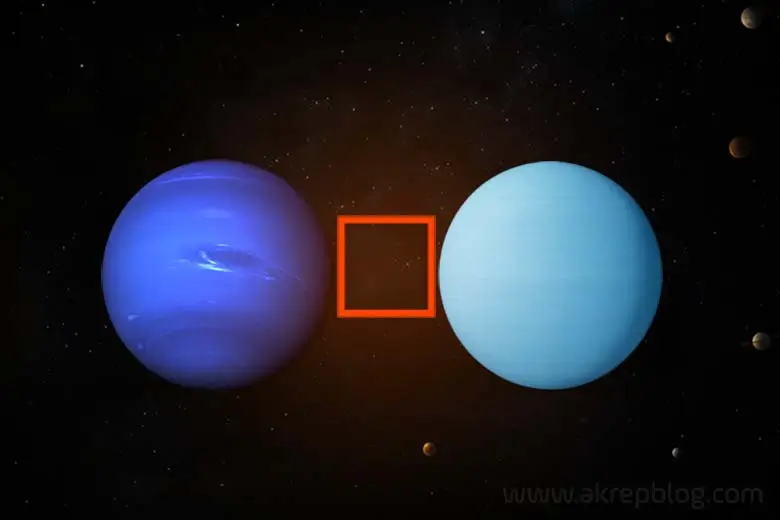
The square aspect is symbolized by the shape □. In astrology... square angle This represents a space where two energies clash. In a Neptune-Uranus square, this clash occurs between dreams and the need for sudden change.
The main characteristic of square angles is this:
• won't leave you alone,
• constantly brings up the issue,
• It creates pressure until a solution is found.
A person with this perspective cannot remain passive for long. Life forces them to make decisions at a certain point. For example, while adhering to a belief system, they may suddenly begin to question its boundaries. Although this questioning may cause unease, in the long run it serves to broaden their consciousness.
Although square aspects initially evoke feelings of conflict, they represent the strongest areas for growth. This is because tension motivates action. If a person suppresses this energy, inner turmoil may occur; however, if they consciously channel it, they gain an extraordinary perspective.
The key lesson to learn from a Neptune-Uranus square is this: Tension is not the enemy; it is the engine of transformation.
The Positive and Negative Effects of the Neptune-Uranus Square Aspect
This perspective can be both inspiring and unsettling at the same time. The effects depend on the individual's level of awareness and their approach to change.
The Neptune-Uranus square doesn't work in a one-way direction. On one hand, there's a visionary awakening of consciousness, and on the other, a tendency towards aimlessness and detachment. When used correctly, this tension allows for transcending ordinary boundaries; when used incorrectly, it can lead to disarray.
The effects of this aspect are generally seen at both extremes. A situation that is liberating for one person may mean instability for another. The determining factor here is whether the person is exhibiting a tendency to escape or is consciously aiming for change.
Positive Effects
• The courage to break free from conventional patterns
• Strong intuitive awareness
• Innovative and unconventional perspective
• Potential for spiritual and mental leaps
This perspective can help a person break free from conventional thought patterns. It is particularly powerful in questioning societal norms. A person can critically examine a universally accepted structure and develop an alternative approach.
When intuitive perception combines with sudden awareness, unexpected moments of enlightenment It's possible. An issue that has remained unresolved internally for a long time might suddenly become clear. This can lead to innovative steps in both personal development and professional life.
In its mature application, the Neptune-Uranus square propels the individual to a point where they are both idealistic and free-thinking. These individuals can venture into areas that others wouldn't dare to enter.
Adverse Effects
• Sudden breaks and unstable decisions
• Cycles of disappointment
• Tendency to escape from reality
• Constantly changing direction
When this aspect operates uncontrollably, a person may find it difficult to commit to a goal. One day they might set out on a path for a great ideal, the next day they might lose all motivation. This creates imbalance in both career and relationships.
While Neptune idealizes things, Uranus can destroy them instantly. As a result, the person may experience frequent disappointments. The idea that "everything should change instantly" can especially lead to impatience.
The theme of escapism is also important. If the internal foundation is not solid, the person may prefer to change the environment rather than solve the problem. This leads to the same issue being experienced again in different ways.
The Spiritual Teachings of the Neptune-Uranus Square Aspect
This perspective teaches the relationship between freedom and consciousness. It aims for awareness-based change, not escape.
The Neptune-Uranus square, while appearing as rebellious energy on the surface, is actually a call to deep consciousness. It asks the individual: "Are you truly free, or are you merely running away?"
Those with this aspect typically experience at least one radical change in their lives. But the real issue here isn't the change itself; it's the motivation behind it. If the change stems from conscious awareness, the individual becomes empowered. If it arises from sudden unease, the process can be exhausting.
His spiritual teachings can be summarized under the following headings:
• balancing ideals with reality,
• carrying freedom together with responsibility,
• Supporting intuition with a concrete plan,
• Choosing conscious transformation instead of making rash decisions.
Neptune facilitates inner resolution, while Uranus brings awakening. Balancing these two energies allows one to use both their imagination and individual authenticity in a healthy way.
This perspective challenges a conventional life path. One cannot remain within a secure but soulless structure. However, not every break is true freedom. True freedom comes through conscious choice.
Individuals with this perspective learn over time that revolution begins within. When inner clarity is achieved, change in the external world becomes more solid.
How does the Neptune-Uranus square aspect affect things in different houses?
Wherever this aspect is located, it creates a transformative pressure in that living space through sudden leaps in consciousness, ruptures in ideals, and a need for liberation.
The Neptune-Uranus square aspect works in different areas depending on the house it's in; however, the common theme is the same: a seemingly secure structure is questioned at some point. The person becomes unable to maintain their accustomed routine. This is sometimes related to career, sometimes family, and sometimes identity perception.
There are three key points to consider when planning a home layout:
• in which areas did the change prove challenging?
• where ideal expectations are broken,
• In which life theme is the need for freedom most concentrated.
This aspect can cause unrest in matters related to the house it occupies; however, it also gives the courage to transcend conventional patterns.
Neptune-Uranus Square Aspect in the 1th House
A strong need for personal transformation arises, centered around identity, appearance, and approach to life.
Neptune-Uranus square 1th house In this setting, a person may frequently wish to redefine their identity. Changes that may seem inconsistent from the outside are actually a reflection of an inner search. They may turn to spiritual matters at one time, while at another they may advocate for radical ideas.
In this approach, the individual doesn't want to fit into molds. The definition of identity that society calls "normal" may feel restrictive to them. However, if the search for identity progresses uncontrollably, it can lead to disorientation. With balanced use, however, it results in an original individual who questions conventions and possesses strong intuition.
Neptune-Uranus Square Aspect in the 2th House
Sudden shifts in direction can be observed in areas such as material security, perceived values, and possessed resources.
Neptune-Uranus square 2th house In this situation, financial matters may progress erratically. A person might gravitate towards a secure income structure at one point, while at another they might take risks that disrupt the entire system. Their methods of earning money may be unconventional.
The perception of values also fluctuates. One day a person may prioritize financial security, while another day they may say "freedom is more important than anything." Without conscious planning, impulsive spending or risky investments may occur. Mature use, however, leads to the courage to develop diverse sources of income.
Neptune-Uranus Square Aspect in the 3th House
An unusual thought process develops in mental processes, communication style, and close relationships.
Neptune-Uranus square 3th house In this setting, individuals can easily reject conventional thought patterns. Sudden changes of direction may occur in their educational lives. While focusing on one area, they may suddenly become interested in a completely different subject.
The communication style can be intuitive but unpredictable. A single sentence can change the course of a conversation. However, there is a risk of mental disorganization. If thoughts are not supported by a concrete plan, projects may remain unfinished. When used in a balanced way, it reveals a powerful communication capacity that develops original ideas and offers different perspectives.
Neptune-Uranus Square Aspect in the 4th House
The search for ideals is intertwined with sudden breaks from family, roots, and inner security.
Neptune-Uranus square 4th house In this situation, a person may grow up with an awareness that questions the family structure. They may have experienced uncertainty, moving, or unusual situations within the family during childhood. This reinforces the idea of "I must establish my own order" in later years.
The theme of home and family can be volatile. At one point, one might desire to establish a peaceful order, while at another, a sudden decision to move might be made. The need for inner security can conflict with the desire for freedom. When used in a balanced way, however, the individual breaks free from past patterns and creates a living space that aligns with their own values.
Neptune-Uranus Square Aspect in the 5th House
In the areas of love, children, and artistic expression, both idealization and sudden shifts in direction can be observed.
Neptune-Uranus square 5th house In this placement, a person doesn't experience love in an ordinary way. They can form an intense bond instantly, and distance themselves just as quickly. The relationship involves both spiritual unity and a desire for independence. This can create a complex dynamic for the partner.
In the realm of artistic expression, unconventional ideas may emerge. However, the continuity of inspiration can be fluctuating. A project might be started with great enthusiasm and then abandoned halfway through. In mature use, this arrangement lays the groundwork for artistic production that transcends conventions and for original stage energy.
Neptune-Uranus Square Aspect in the 6th House
The need for sudden changes in daily routines, work life, and health becomes apparent.
Neptune-Uranus square 6th house In this position, individuals may find it difficult to stick to routines for extended periods. Sudden changes in direction, resignations, or transitions to different work models may occur in the work environment. The traditional office setting may feel restrictive.
Fluctuations can also occur in terms of health. Stress-related symptoms, in particular, may appear. Developing regular habits can be difficult. However, with conscious planning, a person can establish a work system that is both flexible and efficient. This arrangement offers a structure open to alternative work models.
Neptune-Uranus Square Aspect in the 7th House
In the realm of bilateral relations and partnerships, a strong tension arises between freedom and commitment.
Neptune-Uranus square 7th house In this situation, the individual is not content with ordinary dynamics in relationships. They tend to idealize partners; however, they may also experience sudden withdrawals when they feel their independence is diminishing. This can create a turbulent period in marriage.
Unexpected breakups can also occur in partnerships. A person might start a project with great conviction, but suddenly change direction. If mutual space is given, the relationship can develop a more original structure outside of conventional patterns. Otherwise, instability may arise due to a fear of commitment.
Neptune-Uranus Square Aspect in the 8th House
Shared resources, crises, and sudden realizations and breakthroughs occur in the realm of psychological transformation.
Neptune-Uranus square 8th house In this context, individuals may experience leaps in consciousness through crises. Unexpected changes may occur in areas such as financial partnerships, inheritance, or spouse's income. This situation can shake the sense of security.
Psychological depth is powerful. One can quickly become aware of subconscious themes; however, this awareness can sometimes be jarring. If the process is not managed consciously, sudden ruptures can occur. With balanced use, however, one can transform crises into a powerful force and develop deep inner resilience.
Neptune-Uranus Square Aspect in the 9th House
Radical changes may be seen in belief systems, higher education, and worldviews.
Neptune-Uranus square 9th house In this situation, a person may become strongly attached to a belief system; however, over time, they may question this system and experience a sudden break. Changes in direction in their education and unexpected developments in their overseas plans may occur.
Worldviews don't remain static. Throughout life, individuals may experience different schools of thought. While this fluctuation can sometimes lead to confusion, in the long run it provides a broader perspective. With mature application, this can foster a free consciousness, both intuitively and intellectually.
Neptune-Uranus Square Aspect in the 10th House
Sudden shifts in direction and breakdowns of ideals can occur in areas such as career, social status, and goals.
Neptune-Uranus square 10th house In this situation, a person's career path doesn't follow a straight line. They may start a profession with great faith, but over time they may feel that the field is limiting them. Tension arises between the expectation of social status and the need for freedom.
Relationships with authority figures can be volatile. Individuals may struggle to adapt to traditional hierarchies. Sudden job changes or a tendency to move into different sectors may occur. Instability can arise if conscious planning is not done; however, with the right guidance, an unusual and innovative career path can emerge.
Neptune-Uranus Square Aspect in the 11th House
Sudden breaks and shifts in direction can occur in areas such as friendships, social groups, and ideals.
Neptune-Uranus square 11th house In this context, a person may become strongly attached to a group based on a common ideal; however, over time they may feel that the structure is too restrictive for them. Friendships can begin and end unexpectedly.
Radical shifts can occur in societal ideals. Ideas championed in one era may be questioned in another. While this might be perceived as inconsistency by those around them, it is actually a sign of a transformation in consciousness. In mature use, the individual develops an innovative vision capable of bringing together different perspectives.
Neptune-Uranus Square Aspect in the 12th House
The subconscious, with its hidden themes and inner resolution, holds a powerful potential for awakening.
Neptune-Uranus square 12th house In this state, a person may experience sudden awakenings in their inner world. Dreams, intuitions, and subconscious themes are intensely active. Inner restlessness may occur from time to time; however, this restlessness is a harbinger of a profound transformation.
The need for solitude may increase. The individual may seek inner clarity through methods such as spiritual deepening practices or breathing exercises. If this process is not managed consciously, a tendency to escape may arise. With balanced use, however, the individual develops a strong intuitive awareness and inner freedom.
Neptune-Uranus Square Aspect and its Effects in Charts
The Neptune-Uranus square aspect, regardless of the type of chart in which it is active, causes a person to question their established routines and experience a leap in their level of consciousness.
While this aspect functions as a permanent character dynamic in a birth chart, it can have a temporary but disruptive effect during transits. In a Solar Return chart, it determines a theme for the year; in progressed charts, it triggers a process of inner maturation. In synastry, it electrifies the relationship dynamic between two people. During eclipses, New Moons, and Full Moons, it can signal moments of collective and individual rupture.
The common theme is this:
• Old patterns are questioned,
• A structure that seems safe will crack.
• The level of consciousness is forced to expand and
• The need for freedom becomes apparent.
This process doesn't always have to be dramatic; however, it usually begins with inner unease. The person experiences a feeling of "I can't go on like this." If this feeling is consciously addressed, the change becomes lasting and solid. If the response is simply a sudden break, the same theme may repeat itself in a different form.
The most important characteristic of this angle is this: Tension may be temporary, but awareness is permanent.
Neptune-Uranus Square Aspect in the Natal Chart
In a birth chart, this aspect carries the potential for lifelong inner tension and transformation.
In natal placements, a Neptune-Uranus square creates a turbulent structure in a person's identity and worldview. From an early age, the individual may question authority, traditions, and belief systems. This questioning can sometimes lead to conflict within the family, or to a change of direction in their educational life.
The most prominent feature is this:
• Difficulty adapting to a normal life routine,
• changing direction with sudden decisions,
• strong intuitive perception and
• A high need for freedom.
Individuals with this aspect often oscillate between two extremes: idealistic dreams on one hand, and a desire for radical change on the other. If the inner foundation isn't strengthened, instability can occur. However, with conscious use, the individual develops both an intuitive and innovative perspective.
This aspect in the natal chart teaches us the following: Processes that appear chaotic are actually preparations for a leap in consciousness.
Neptune-Uranus Square Aspect in Transit Charts
In transit, this aspect creates a need for a sudden break and change of direction in one area of life during a specific period.
When the transiting Neptune-Uranus square is active, a person may feel that the current situation is no longer sustainable. This feeling often comes suddenly; however, there is a long-standing unease building up in the background.
Common themes during the transition period:
• job or career change,
• sudden decisions in a relationship,
• radical questioning of the belief system and
• radical changes in lifestyle.
Decisions made during this period can be permanent; therefore, haste is risky. Although tensions may be high, perspectives may change after a few months. That's why it's important to evaluate the process consciously.
The transit square reminds us of this: The need for change may be real, but the method must be chosen wisely.
Neptune-Uranus Square in the Solar Return Chart
In the Solar Return chart, this aspect suggests that the main theme of the year may be "a shocking awakening."
The Solar Return chart describes the one-year period from one birthday to the next. When a Neptune-Uranus square is present in this chart, the need for a sudden change of direction in one area of life becomes apparent that year. The person may begin to radically address a subject they hadn't questioned before.
The following themes are commonly seen in this type of settlement:
• sudden decisions during the year,
• dismantling the existing order,
• new awareness after the ideal breakdown and
• unexpected opportunities.
For example, a person might consider abandoning a career path they've pursued for years, or experience a significant shift in a relationship. However, the important question here is whether the decision is an emotional escape or a conscious transformation.
The Solar Return square suggests that the year could be a year of "awakening." If the individual patiently evaluates the process, a year of upheaval can lead to long-term enlightenment.
Neptune-Uranus Square in Synastry (Harmony) Chart
If this aspect exists between two people, the relationship can be electric, inspiring, and also unstable.
In synastry, a Neptune-Uranus square can cause the partners to feel both a captivating and unsettling influence on each other. One partner may find the other liberating, while simultaneously perceiving them as unreliable.
This perspective can trigger the following dynamics in a relationship:
• sudden starts,
• The cycle of idealization and disappointment,
• fear of commitment,
• Conflict over the area of freedom.
Couples with this aspect typically don't experience an ordinary relationship. The partnership is either transformative or ends quickly. However, if both partners can maintain their individual space and develop realistic expectations, the relationship can evolve into something unique and growth-oriented.
This angle teaches us the following in synastry: Is it possible to be free together without being separated? The answer to that question depends on the maturity level of the relationship.
Neptune-Uranus Square in Progressed Charts
In progressed charts, this aspect represents a rupture and a leap in consciousness experienced more in the inner world than in the outer world.
Progressed charts reveal a person's psychological maturation process. When the Neptune-Uranus square is active here, even if the person appears to be living the same life from the outside, they may be initiating a serious process of self-reflection internally.
During this period, generally:
• old ideals lose their meaning,
• A different life philosophy begins to take shape,
• The perception of freedom is redefined and
• Intuitive awareness increases.
A person may begin to say, "I don't think the way I used to." This process can take several years and usually culminates in a sudden moment of internal decision. However, this decision stems from internal clarity, not from an external crisis as in transit effects.
The square of progress reminds us of this: Change begins in the mind, then it is reflected in life. If the internal structure is strengthened, external steps will be more solid.
Neptune-Uranus Square in Eclipse, New Moon, and Full Moon Charts
When this aspect is active during eclipses and lunar cycles, sudden realizations can be triggered at both collective and individual levels.
If there is a Neptune-Uranus square in the eclipse charts, themes of societal ideals, belief systems, and freedom may strongly come to the forefront during that period. Unexpected developments, sudden shifts in direction, or leaps in collective consciousness may occur.
During New Moon and Full Moon phases, this aspect is:
• unexpected decisions,
• sudden beginnings or endings of relationships,
• surprising developments in career
• increased spiritual awareness
It can have effects such as these.
Especially during Full Moon periods, suppressed restlessness may become apparent. During New Moon periods, the idea of a radical new beginning may emerge. However, the point to remember here is to proceed with a conscious plan, not with momentary excitement.
This placement teaches us the following: An earthquake isn't always destruction; sometimes it's a change of direction.
Frequently Asked Questions
Is a Neptune-Uranus square always a negative aspect?
No. It involves tension, but when used correctly, it fosters powerful awareness and originality.
Is this angle an indicator of separation in relationships?
It's not a definitive sign of separation; however, a break can occur if a balance between freedom and commitment cannot be struck.
Does it mean a sudden change in career?
If active in transit or solar return charts, it may indicate a need for a sudden change of direction; in a natal chart, it may show a lifelong fluctuating career path.
Is he/she mentally strong?
Yes. It can trigger intuitive perception and a leap in consciousness; however, it's important to stay grounded in reality.
Is this angle more challenging at younger ages?
Generally yes. Because identity and belief systems are not yet fully formed, the tension can be felt more intensely.
How long does the transit effect last?
Because they are slow-moving planets, their effects may be felt over a period of several months to several years.
Does it involve financial risks?
Especially in matters related to the 2nd and 8th houses, impulsive decisions can lead to financial fluctuations.
Does this angle increase artistic expression?
It can enhance artistic expression; in particular, it can foster a tendency to create work outside of conventional forms.
Is it psychologically challenging?
It can cause inner turmoil; however, this turmoil serves to expand consciousness.
What is the most important lesson?
It is about distinguishing between freedom and escape, and implementing change on a conscious basis.
SIMILAR TOPICS
WRITE A COMMENT
VISITOR COMMENTS - 0 COMMENTS